
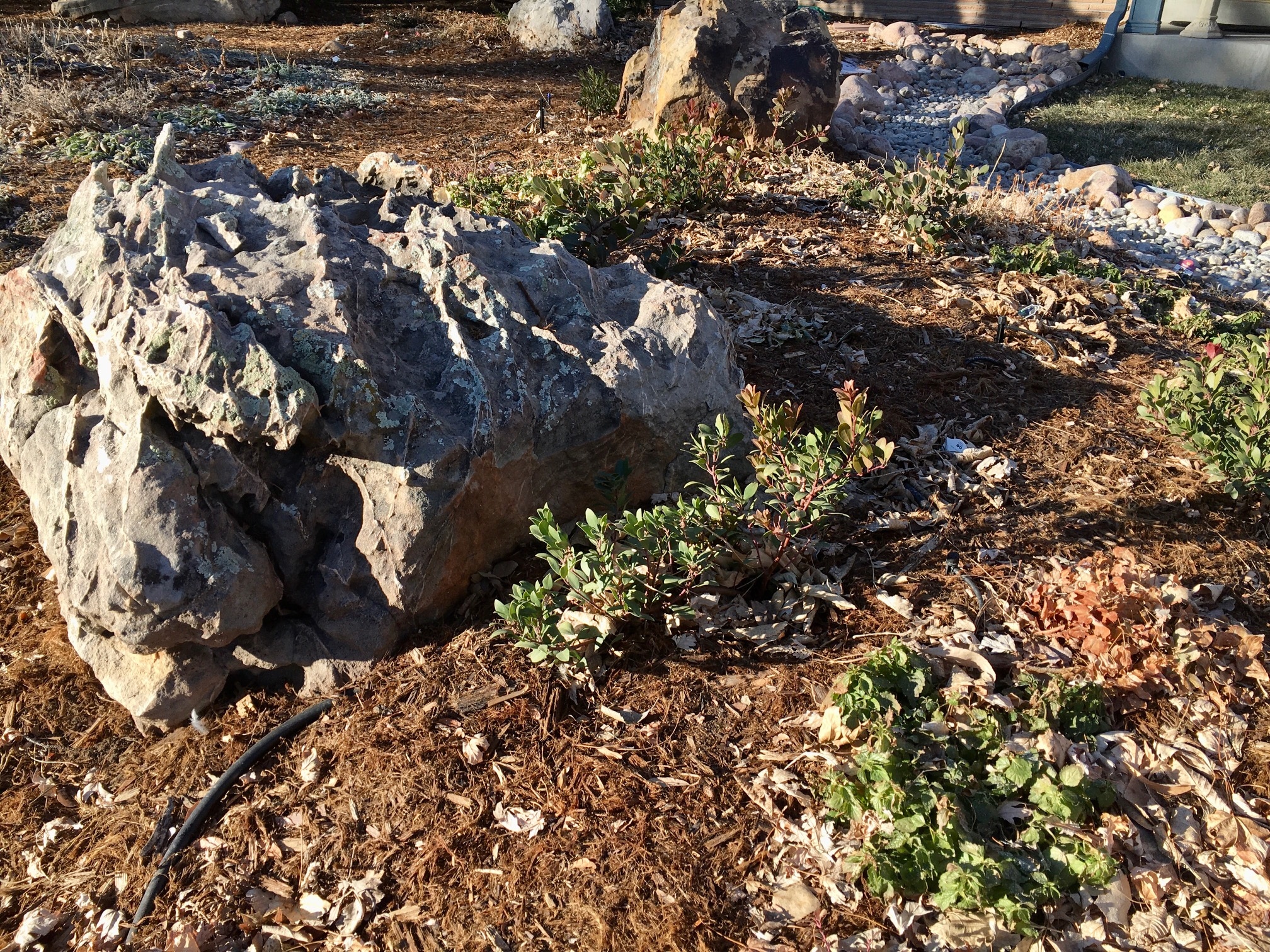
Ssshhh, garden is sleeping… what else can you do in January?
January is a nice rest period for the garden, and for we gardeners as well. Your garden is settled in for the winter, but your green thumb may be itching to do something outside in the yard or garden on a beautiful January day in Colorado. Step out into the crisp wintry air and follow a few garden tips to do now.
Winter Watering
- Snow fall has been poor this season thus far. So some concern now with the warm days and the dry spells with no moisture. It will take a toll on trees, shrubs, and any newly planted perennials. Begin winter watering now and if this dry spell goes on for about 4-5 weeks, winter water some more. Winter Watering Info
Protection and Maintenance
- Plants would be well-insulated under a good layer of snow. When necessary, brush excessive snow from small shrubs on the north side if the weight threatens to damage or break branches.
- Take a walk through your garden and evaluate your flower beds. What is working? What is not working?
- Replace mulch that has blown or washed away. Much easier to identify bare spots now.
- Spread old holiday greenery over perennials to provide a little extra insulation. It may also provide warmth and shelter for birds.
- Winter is an excellent time to have a troublesome or dangerous tree removed from your property. With no foliage to cloud their work, many arborists will cut down trees that have to go at this time of year.
- Year-round veggie gardeners need to keep an eye on their season extenders, removing snow from cold frames and mini hoop tunnels after a storm. Use a sturdy broom or plastic shovel to remove snow. Cold Frame Info
Caring for Birds
- January is a tough time of year for birds. A steady supply of water, seed, suet or nectar will help them survive until spring. Birds in the Garden Info
Planning Ahead
- Review your notes from the past growing season to help plan the upcoming season.
- Curl up with a cup of hot cocoa and browse through your favorite seed catalogs or peruse our website.
- Choose varieties that are suited to our climate and growing conditions. Hardiness Zone 5.
- Build a compost bin. Locate your new composting system in a mostly sunny site, and you’ll be up to your elbows in ‘black gold’ before you know it. Compost Bin Info
- Planning a new garden bed for next summer in an area where grass or weeds are currently growing? Make it easy on yourself by starting the project right now. First, place a thick layer of newspaper or cardboard over the area, then pile on alternating layers of organic material like compost, leaves, pine needles, untreated grass clippings, and straw. In the spring, the grass and weeds underneath the pile will be dead, and your new garden bed will be ready to plant! New Garden Bed Info
- Raised beds are extremely popular for small spaces and intensive vegetable growing. Raised Bed Info
- Start a garden journal and fill it any way you like. Some ideas to get you started: weather, garden plans, memories, thoughts and observations.
- Join a garden club in your area. Take a class or consider becoming a Master Gardener.
Houseplants
- Indoor plants are still in a slow growth stage and a few are completely dormant. As a rule, most indoor plants should be allowed to dry completely between watering at this time of the year.
- Examine the root system of houseplants that have been struggling during the short days of winter. Bright indirect light will help them stay active. Houseplant Care info
