
When we think of eating healthy, it may be the thought of eating organic produce or fresh home-grown organically grown vegetables. Because we would like to know where our food comes from and that it has not been sprayed with chemicals.
Plants that have not been sprayed with chemicals is an important component of organic growing. But another component of the organic equation is how the plants have been grown and fertilized. Using fertilizer that has organic based ingredients.
Organic Fertilizers
Plant fertilizers derived from a plant or animal source are organic. Common organic sources from animals would include blood meal, bone meal, feather meal and fish emulsion. Common organic sources from plants would include cottonseed meal, alfalfa meal, and seaweed kelp. Commercial organic fertilizers will combine these ingredients to produce a well-balanced fertilizer for growing plants. Check your fertilizer ingredients label for reference.
Advantages of Organic Fertilizers
 Organic fertilizers are slow release, which means they break down slowly releasing plant nutrients over a longer period of time. This means that they do not need to be applied as often. Usually monthly applications.
The organic components of the fertilizer also help to encourage the development of beneficial micro-organisms. Creating a healthy environment for great root growth.
Espoma Bio-Tone Organic fertilizer is incorporated into the soil as a dry fertilizer to nourish plants. In addition to the organic fertilizer components, Espoma fertilizers are enriched with a blend of beneficial microbes and mycorrhizae which colonize the plant roots, helping them to naturally take up water and nutrients more efficiently.
Fertilome fish emulsion would be example of a liquid organic fertilizer that would be mixed with water and applied at watering time to nourish the plants.
Organic Plants and Seeds
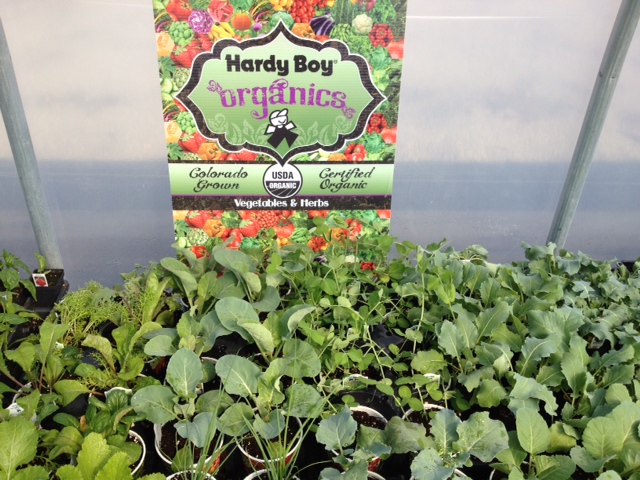
 Organic starter plants or seeds will have been grown organically. They were nourished using organic fertilizers and no chemical applications to the plants. Creek Side offers a good selection of Botanical Interests USDA Organic Seeds and Hardy Boy USDA Organic Plants during the spring season. Creek Side herb and vegetable starter plants are not fertilized with organic fertilizers, but they are clean in that they have not been treated with any chemical pest control products.
Organic Pest Control
 In your organic garden, no chemical pesticides will be used for organic pest control. General purpose organic controls would include:
- a blast of water from the end of a hose to knock down soft-bodied pests like aphids,
- Bonide insecticidal soap
- Captain Jacks Deadbug spinosad
- Natural Guard Spinosad Soap
- Fertilome Neem Oil
- Fertilome Caterpillar Killer w/ Bt
Sometimes using a combination of organic fertilizers and pest control applications along with conventional fertilizers and the safest pest control products that are effective is a great compromise.
